From Classical to Romantic

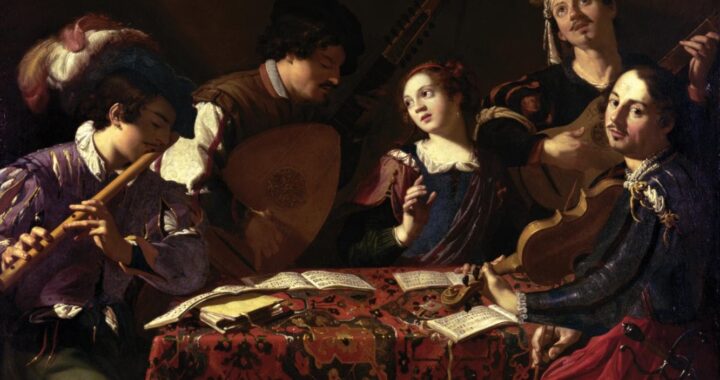
Today we explore a lit­tle of the music writ­ten at the bor­ders of the Clas­si­cal and Roman­tic eras, focus­ing on the work of some well-known com­posers born in the last 30 years of the 18th Cen­tu­ry. It’s also time for a new episode of our Sec­ond Life trav­el series, “Where’ve You Been?” — Episode 10, which vis­its the Gallery Air­ship Limon­cel­lo (see sep­a­rate entry).

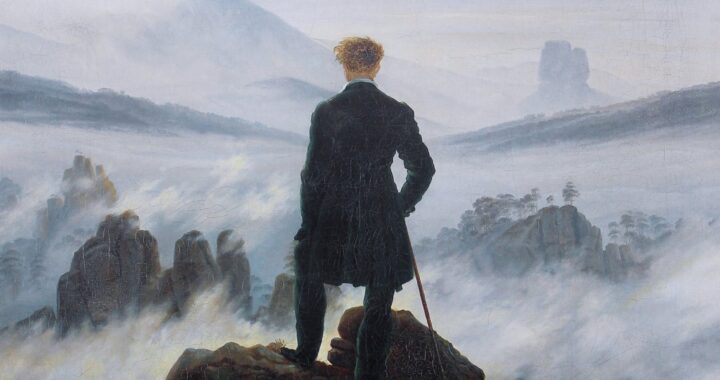
His­tor­i­cal­ly, the term ‘clas­si­cal music’ refers specif­i­cal­ly to the musi­cal peri­od from 1750 to 1820. The tran­si­tion from the clas­si­cal peri­od of West­ern art music, which last­ed around 1750 to 1820, to Roman­tic music, which last­ed around 1815 to 1910, took place in the eigh­teenth and nine­teenth cen­turies. Com­posers began tran­si­tion­ing their com­po­si­tion­al and melod­ic tech­niques into a new musi­cal form which became known as the Roman­tic Era or Roman­ti­cism due to the imple­men­ta­tion of lyri­cal melodies as opposed to the lin­ear com­po­si­tion­al style of Clas­si­cal music.

Con­tin­ue read­ing→

Music of the Baroque

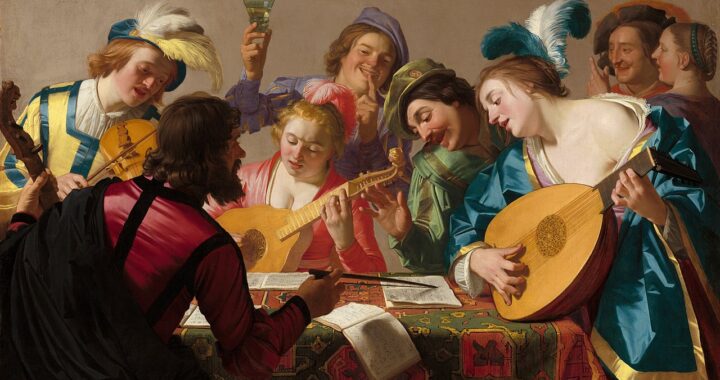
Today, Sat­ur­day June 5th, we explore, once again, the music of the Baroque era. We’ll be includ­ing the work of a wide range of com­posers. Many will be famil­iar; oth­er per­haps less so; or they may have writ­ten pieces that we know well but have no idea of who com­posed them — for exam­ple Eng­lish com­pos­er Thomas Arne, who wrote Rule Bri­tan­nia but also a range of oth­er pieces which deserve more inter­est than is usu­al­ly paid to them.

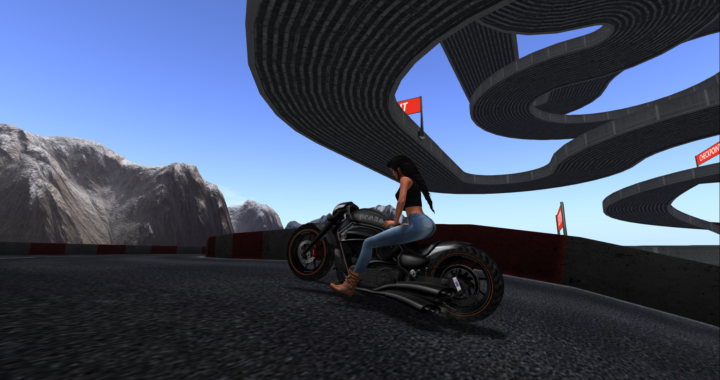
Then at 12 noon and 4pm Pacif­ic / 8pm or mid­night UK time, there’s anoth­er chance to hear Episode 7 of “Where’ve You Been?”, our twice-month­ly show on places to vis­it and things to do around the Sec­ond Life Grid. In this episode we vis­it the excit­ing Sau Motors Demo Track — an amaz­ing mul­ti-lev­el race­track and a fab­u­lous col­lec­tion of bikes and cars to test out on it — details here. And every four hours from 4am Pacif­ic, tune in for “The Engines of Our Inge­nu­ity”, from the Uni­ver­si­ty of Hous­ton, about the machines that make our civ­i­liza­tion run and the peo­ple whose inge­nu­ity cre­at­ed them.

Con­tin­ue read­ing→

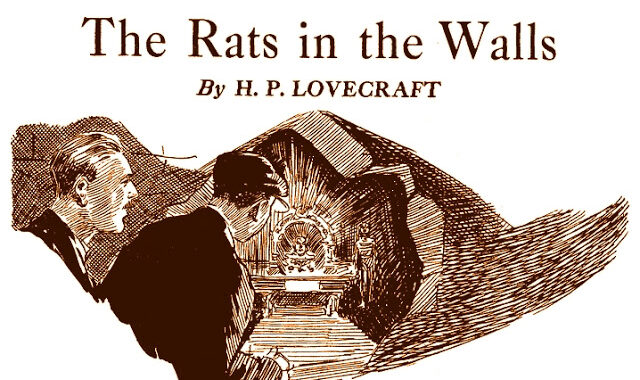
The Black Mass: The Rats In The Walls by H P Lovecraft

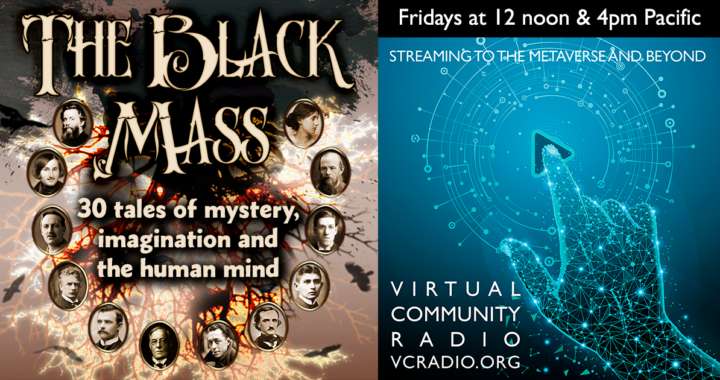
Join us on Fri­day at a lit­tle after 12 noon or 4pm Pacif­ic time, 8pm or mid­night in the UK , for anoth­er episode in the land­mark radio dra­ma series The Black Mass, cre­at­ed by the late Erik Bauers­feld and his col­leagues at the Paci­fi­ca radio sta­tion KPFA in Berke­ley, Cal­i­for­nia, over fifty years ago. In 30 chill­ing tales of mys­tery, imag­i­na­tion and the human mind, The Black Mass brings you some of literature’s most haunt­ing sto­ries, by mas­ters of the craft — many of whom are best-known in oth­er fields.

Note that the pro­gramme will not begin until the track play­ing at the top of the hour has fin­ished, so the actu­al start time of the episode will be a few min­utes after the hour.

Today: The Rats In The Walls by H P Lovecraft

“The Rats in the Walls” was writ­ten in August–September 1923. It was first pub­lished in Weird Tales, March 1924

Con­tin­ue read­ing→

The 100 Word Stories 16th Anniversary Podcast — Now on Mixcloud!

Long ago, R. Dis­man­tled swore an oath to write a 100 word sto­ry every day until the day he died. He’s not dead yet…

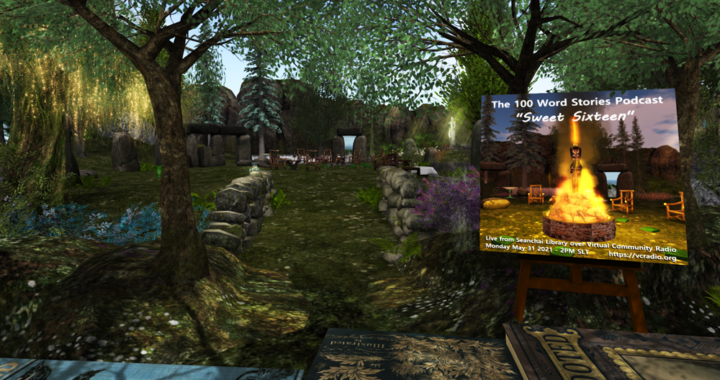
On Mon­day, May 31st,  Vir­tu­al Com­mu­ni­ty Radio joined R. Dis­man­tled and the 100 Word Sto­ry Pod­cast as we cel­e­brat­ed 16 years of “keep­ing it brief”, in Sean­chai Library’s Ceiluiradh Glen, with sto­ries and inter­views.  Live in Sec­ond Life, and live here on Vir­tu­al Com­mu­ni­ty Radio. We found out what “microfic­tion” and “Drab­ble” are, and how it’s done. We dis­cov­ered R. Dis­man­tled’s back­sto­ry. We cel­e­brat­ed the anniver­sary — and we heard some great, short, sto­ries — all sur­pris­ing­ly deep and some­times dark, too.

This spe­cial pro­gramme is now avail­able on Mix­cloud for those who missed it or would like to hear it again. Per­haps, as a result, you’ll try writ­ing microfic­tion your­self! Check out the week­ly chal­lenge here.


Celtic Moods

Today’s pro­gramme takes anoth­er look at the expan­sion of Celtic music and themes into sev­er­al dif­fer­ent gen­res of music.

Here we are fea­tur­ing musi­cians and music that start from the Celtic tra­di­tion and take it for­ward into oth­er realms, from Joanie Mad­den to Mendelssohn to Ger­al­do and his Orches­tra; from thun­der­ous­ly spec­tac­u­lar orches­tral arrange­ments (you’ll hear sev­er­al of those today) in the wake of River­dance, to inspir­ing music for a small Celtic ensem­ble and organ, played in the largest Goth­ic space in the world.Con­tin­ue read­ing→

The Black Mass: The Outsider by H P Lovecraft

Join us on Fri­day at a lit­tle after 12 noon or 4pm Pacif­ic time, 8pm or mid­night in the UK , for anoth­er episode in the land­mark radio dra­ma series The Black Mass, cre­at­ed by the late Erik Bauers­feld and his col­leagues at the Paci­fi­ca radio sta­tion KPFA in Berke­ley, Cal­i­for­nia, over fifty years ago. In 30 chill­ing tales of mys­tery, imag­i­na­tion and the human mind, The Black Mass brings you some of literature’s most haunt­ing sto­ries, by mas­ters of the craft — many of whom are best-known in oth­er fields.

Note that the pro­gramme will not begin until the track play­ing at the top of the hour has fin­ished, so the actu­al start time of the episode will be a few min­utes after the hour.

Today: The Outsider by H P Lovecraft

“The Out­sider” is a short sto­ry that Love­craft wrote between March and August 1921, it was first pub­lished in Weird Tales, April 1926. In this work, a mys­te­ri­ous indi­vid­ual who has been liv­ing alone in a cas­tle for as long as he can remem­ber decides to break free in search of human con­tact and light. “The Out­sider” is one of Love­craft’s most com­mon­ly reprint­ed works and is also one of the most pop­u­lar sto­ries ever to be pub­lished in Weird Tales.

“The Out­sider” com­bines hor­ror, fan­ta­sy, and goth­ic fic­tion to cre­ate a night­mar­ish sto­ry, con­tain­ing themes of lone­li­ness, the abhu­man, and the after­life. Its epi­graph is from John Keats’ 1819 poem “The Eve of St. Agnes”.

Con­tin­ue read­ing→

Tarot @ Teatime — Episode 7

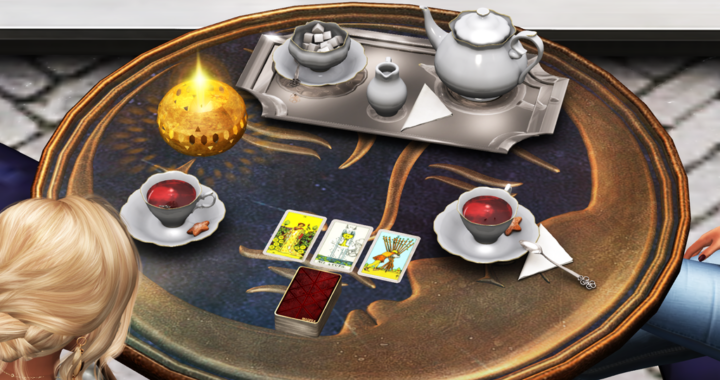
It’s Thurs­day May 27 and time for a brand new episode in our twice-month­ly series on the Tarot, Tarot @ Teatime, with Hon­ey Heart and Wil­low Moon­fire. The show airs on Thurs­days and Sun­days at 12 noon and 4pm Pacif­ic Time (8pm and mid­night in the UK), and a new episode pre­mieres every two weeks.

Episode 7 cov­ers the Court Cards of the Minor Arcana.  We dis­cuss the sig­nif­i­cance and func­tion of the Court Cards in the four suits and dif­fer­ent ways of think­ing about them.

The pri­ma­ry resource men­tioned is the Rid­er Waite Smith Tarot deck.  It is avail­able from the pub­lish­er, US Games Sys­tems, Inc. and numer­ous book­stores and online book sell­ers.